Patina Vintage Roses Junk Journal Page 1: A Design Asset
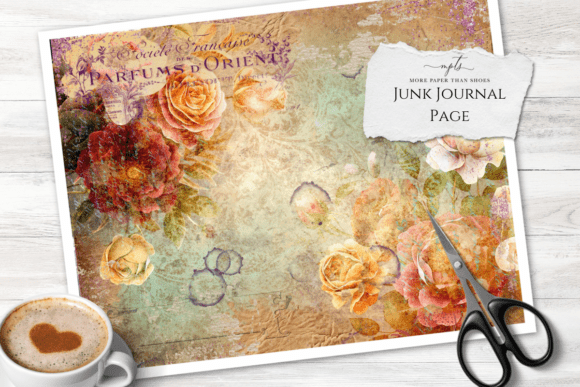
Unlocking the potential of a single design element can transform your entire creative workflow. Consider the profound impact of the Patina Vintage Roses Junk Journal Page 1, a digital asset that transcends its junk journal origins to become a versatile tool for sophisticated visual communication. This meticulously crafted printable ephemera offers more than just a pretty background; it provides a foundational layer of texture, emotion, and narrative depth essential for compelling graphic design.
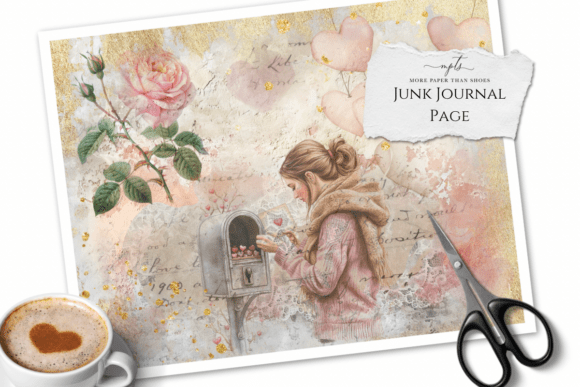
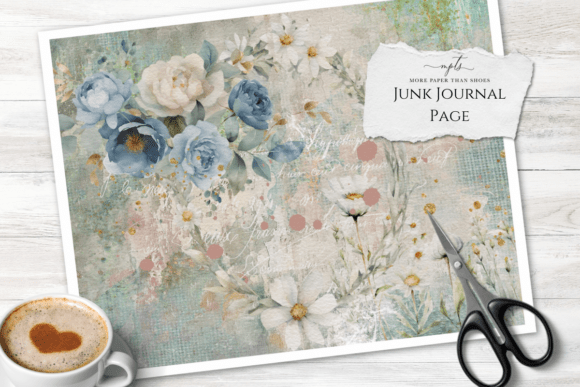
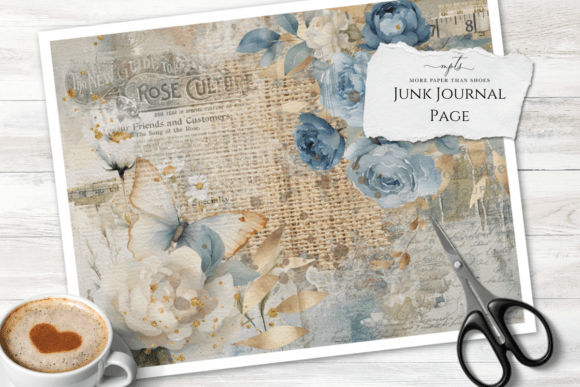
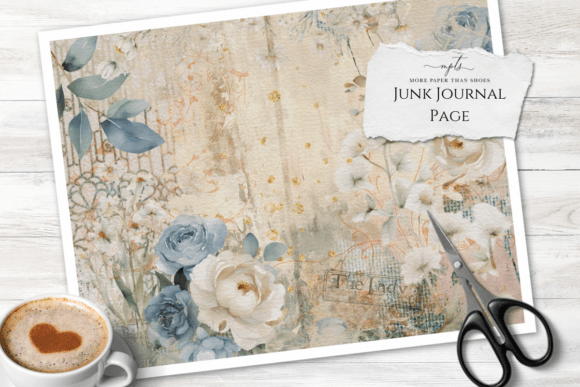
At its core, this asset is a masterclass in layered visual storytelling. The fusion of antique French typography, ornate script, and splendid florals in deep reds, creamy whites, and lustrous golds creates an immediate sense of heritage and authenticity. For designers, this translates into a powerful tool for establishing visual hierarchy and mood. The distressed overlays and artfully faded elements are not mere decorations; they are strategic design choices that evoke timeworn elegance and tactile quality, crucial for projects aiming to connect on an emotional level.
Practical Applications Across Creative Disciplines
The true value of a resource like this lies in its adaptability. Its classic French charm and shabby chic aesthetic can be leveraged across a multitude of professional contexts to elevate brand identity and user experience.
- Branding & Logo Design: Use it as a textured background for brand presentations or mood boards. The vintage aesthetic can inform a brand's color palette and typographic choices for artisanal, boutique, or heritage-focused businesses.
- Marketing & Social Media Graphics: Create eye-catching Instagram stories, Facebook posts, or Pinterest pins with built-in visual interest. The bold florals and script add instant sophistication to promotional content.
- Editorial & Web Design: Employ it as a background for website headers, blog post graphics, or digital magazine layouts to establish a clear thematic tone and improve reader engagement.
- Packaging & Print Design: It serves as an excellent base for product labels, business cards, or stationery design, adding a layer of tactile, vintage appeal that communicates quality and care.
- Presentation & Digital Products: Transform standard slides into memorable visual narratives. It's also ideal for creating unique digital planners, e-book covers, or online course materials.
Integrating Vintage Assets into Modern Workflows
Effectively incorporating such a textured element requires thoughtful design strategy. The key is to ensure it complements rather than overwhelms your core message. Use it to create focal points or as a subtle background layer, ensuring text remains highly readable through careful placement and contrast. Consider its compatibility with your existing brand systems—the deep reds and golds should harmonize with your primary color palette.
When selecting and evaluating creative assets, prioritize high-resolution files that maintain integrity across print and digital outputs. A resource like this, with its complex textures and nuanced colors, demands superior print quality to realize its full potential. Its distressed nature can actually enhance visual hierarchy by providing a rich, yet non-distracting, foundation for cleaner foreground elements like logos or headlines.
Thoughtful design choices are about more than aesthetics; they are about effective communication. Quality creative assets like this provide a shortcut to achieving depth, emotion, and a professional polish that resonates with audiences. By integrating elements that tell a story, you transform functional design into an experience, strengthening brand perception and leaving a lasting impression. The right asset doesn't just decorate a page—it enriches the entire visual conversation.